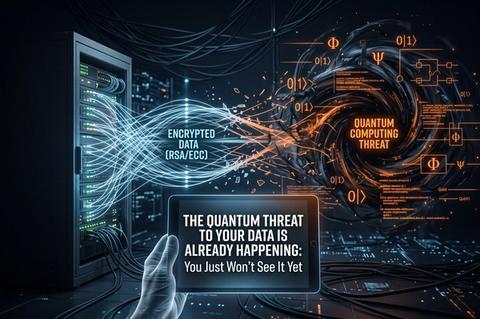
The Quantum Threat to Your Data Is Already Happening: You Just Won’t See It Yet
Here’s the uncomfortable part about quantum computing: an attacker doesn’t need a quantum computer today to put some of your data at risk.
Read more
On August 5, MoneyPass stopped being part of Fiserv and became an independent company. That is a pretty significant change for a network with more than 37,000 surcharge-free ATMs and 160 million cardholders.
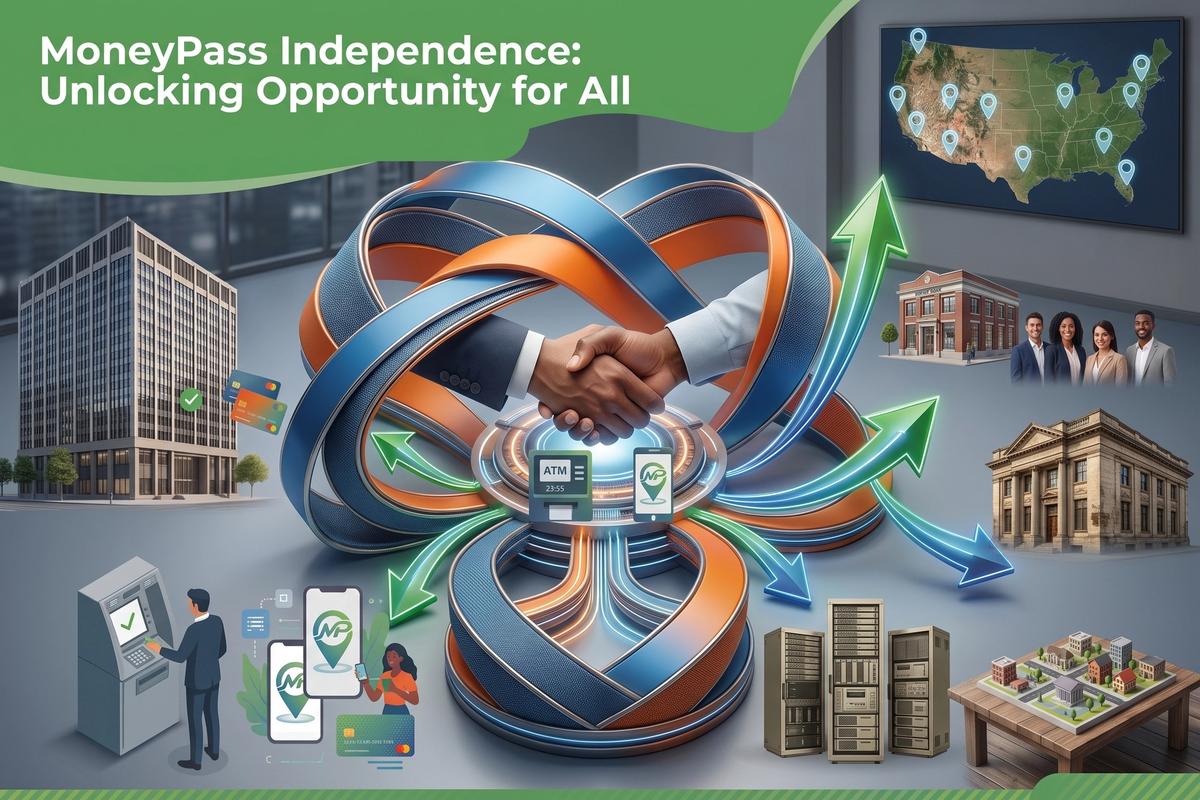
MoneyPass Just Went Independent. Here's Who Actually Benefits.
On August 5, MoneyPass stopped being part of Fiserv and became an independent company.
That is a pretty significant change for a network with more than 37,000 surcharge-free ATMs and 160 million cardholders. Bridgeport Partners now owns 51% of the business, Fiserv retains 49%, and MoneyPass has a new mandate: grow the network and expand access to cash.
It seems straightforward and I think it’s good for the industry.
But the more interesting question is: who actually benefits?
Not Every Bank Needs More ATMs
Let's start with who doesn't need this as much.
The mega-banks have already built enormous ATM networks. Chase, Bank of America and Wells Fargo have machines across the country. Their customers aren't generally wondering where they'll find an ATM without paying a fee.
And then there are the digital-first banks and neobanks.
Their customers tend to skew younger and more mobile-first. According to the Federal Reserve's 2026 Diary of Consumer Payment Choice, consumers under 25 averaged about two cash payments a month in 2025. Cash is still important, but it isn't the center of this customer's banking experience.
So I don't think the value of a bigger surcharge-free network is evenly distributed across the banking industry.
This is where I think MoneyPass can really matter: community banks and credit unions.
Access to Cash Is Still Part of the Relationship
Community banks and credit unions compete differently.
They lend locally. They finance small businesses, mortgages, farms and the businesses that keep local economies moving. Their deposit base is what gives them the ability to do that.
And while banking has become increasingly digital, the physical infrastructure around an account still matters.
If a customer has to drive out of their way to find a surcharge-free ATM, or routinely pay a fee to access their own money, that becomes part of the banking experience.
It may seem like a small inconvenience. But banking relationships are built on hundreds of small experiences.
A good surcharge-free ATM network isn't just a convenience for these institutions. It's table stakes for competing for and retaining the deposits that fund their mission.
That is why I think this transaction is more interesting than the ownership change itself.
The Opportunity for MoneyPass
An independent MoneyPass has the opportunity to put its focus back where it belongs: expanding its network and making surcharge-free access to cash available where customers actually need it.
That doesn't mean every financial institution should simply sign up for a larger ATM network.
It means community banks and credit unions should take a fresh look at what their current network is doing for them.
And, perhaps most importantly, are you thinking about ATM access as part of your deposit strategy, or simply as another box to check?
MoneyPass becoming independent creates an opportunity to rethink that equation.
The ATM may not be the most exciting part of modern banking. But for the institutions that depend on strong local relationships, access still matters.
So the question I'd ask is simple: Is your ATM network still pulling its weight?
More insights on payments, fintech, and strategic consulting
Here’s the uncomfortable part about quantum computing: an attacker doesn’t need a quantum computer today to put some of your data at risk.
Read more
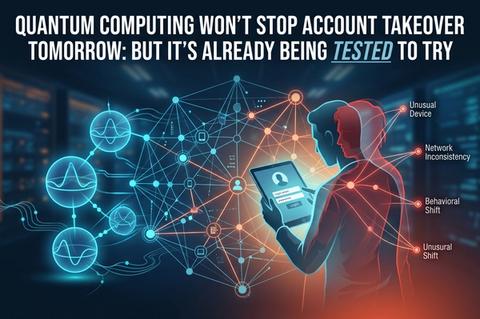
Fraudsters don’t necessarily need to guess a password. They can use credentials that already work. A system built primarily to flag the wrong password has very little to flag when the password is correct.
Read more
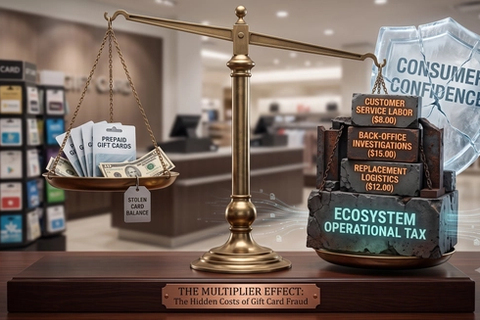
The conversation around retail-acquired card fraud often focuses on the consumer who loses money or the retailer dealing with a frustrated customer. But the financial impact reaches much farther across the ecosystem.
Read more
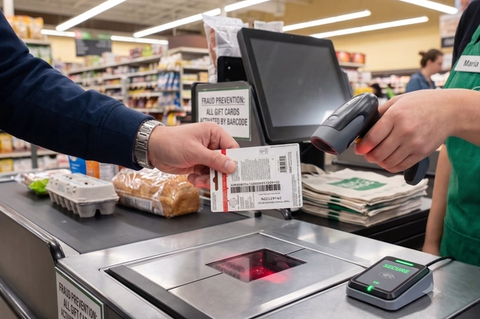
I’ve spent the last three posts digging into the retail physical gift card issue: physical packaging cannot win an arms race against organized crime syndicates, and any security fix we attempt has to clear the register in the exact same heartbeat as a standard credit card tap. That leaves us with one question: What does a fast, secure, and compliant gift card actually look like in the real world? The answer really seems quite simple: remove sensitive payment credentials from the physical card.
Read more

E&S Consulting delivers data-driven strategies to enhance your decision-making, minimize operational risk, and cultivate the partnerships necessary for long-term success.