
The Quantum Threat to Your Data Is Already Happening: You Just Won’t See It Yet
Here’s the uncomfortable part about quantum computing: an attacker doesn’t need a quantum computer today to put some of your data at risk.
Read more
The conversation around retail-acquired card fraud often focuses on the consumer who loses money or the retailer dealing with a frustrated customer. But the financial impact reaches much farther across the ecosystem.

For decades, the prepaid card industry has treated j-hook card fraud mitigation as a game of physical strengthening. We have made packaging harder to tamper with, added pull-tabs and holographic labels, and found new ways to protect the credentials sitting on gift cards displayed on open retail shelves.
But what if the better financial strategy isn't to keep spending more to protect exposed credentials? What if it's to stop exposing them in the first place?
The conversation around retail-acquired card fraud often focuses on the consumer who loses money or the retailer dealing with a frustrated customer. But the financial impact reaches much farther across the ecosystem.
The Cost Goes Well Beyond the Card
When a gift card is compromised, the stolen balance is only the beginning.
The hard costs of gift card fraud, card and carrier production, packaging, technology enablement and other program expenses, are often the focus when the industry talks about fraud prevention. But those are only part of the equation. The softer costs of fraud can create a multiplier effect, quietly adding expense across the ecosystem long after the initial loss occurs.
This brings the administrative remediation cost to $35.00 per single incident which is completely independent of the stolen face value. When amortized across a high-volume portfolio, this operational overhead adds an embedded tax of $0.07 to $0.08 to every single card issued.
And then there is something harder to put on a spreadsheet: the cost of losing a customer's confidence. A consumer who has a bad experience with a compromised gift card may think twice before purchasing one again, or may take that experience into account when deciding where to shop. That potential attrition, along with the impact on brand trust, is another cost that doesn't appear on a fraud-loss report.
Every compromised card creates work somewhere in the ecosystem. Retailers, issuers and program managers all have to absorb some portion of the cost of a security model that was designed around protecting information that was exposed in the first place.
That is an operational tax that continues whether a particular card is targeted or not.
Security Should Prevent the Cost, Not Manage It
The industry's traditional response has been to add another layer of protection, another label, another inspection, another packaging improvement.
But every layer comes with a cost, and none changes the fundamental equation: sensitive credentials remain vulnerable somewhere in the process.
A numberless card enabled by NFC takes a different approach.
Instead of trying to make exposed credentials harder to steal, it removes the exposed credentials from the physical card. And security isn't simply about hiding information. Authentication becomes part of the equation, confirming that the physical card is legitimate and that it has been properly purchased and activated before it can be used.
That changes the economics of security.
Rather than continually absorbing the unpredictable costs associated with compromised cards, investigations, replacements and customer remediation, the industry can move toward a more predictable security model.
The ROI Is Bigger Than Fraud Avoidance
The return isn't simply the money that isn't stolen.
It's the customer service interaction that doesn't have to happen. The investigation isn't required. The replacement card that doesn't have to be produced and shipped. The retailer's associate who doesn't have to slow down the checkout process to perform another security check.
And perhaps most importantly, it's the customer who continues to trust the gift they purchased.
For retailers and issuers, that's the real opportunity. Security shouldn't be viewed solely as a cost of doing business. Done correctly, it can protect revenue, reduce operational expenses and preserve the customer experience at the same time.
The gift card industry has spent years trying to stop the bleed by making the packaging stronger.
Maybe the better ROI comes from changing what is being protected in the first place.
The future of gift card security isn't about building a better box. It's about building a better security model.
More insights on payments, fintech, and strategic consulting
Here’s the uncomfortable part about quantum computing: an attacker doesn’t need a quantum computer today to put some of your data at risk.
Read more
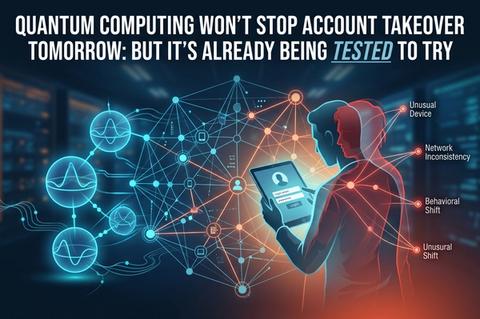
Fraudsters don’t necessarily need to guess a password. They can use credentials that already work. A system built primarily to flag the wrong password has very little to flag when the password is correct.
Read more

On August 5, MoneyPass stopped being part of Fiserv and became an independent company. That is a pretty significant change for a network with more than 37,000 surcharge-free ATMs and 160 million cardholders.
Read more
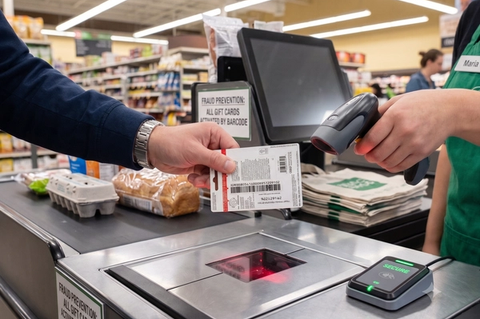
I’ve spent the last three posts digging into the retail physical gift card issue: physical packaging cannot win an arms race against organized crime syndicates, and any security fix we attempt has to clear the register in the exact same heartbeat as a standard credit card tap. That leaves us with one question: What does a fast, secure, and compliant gift card actually look like in the real world? The answer really seems quite simple: remove sensitive payment credentials from the physical card.
Read more
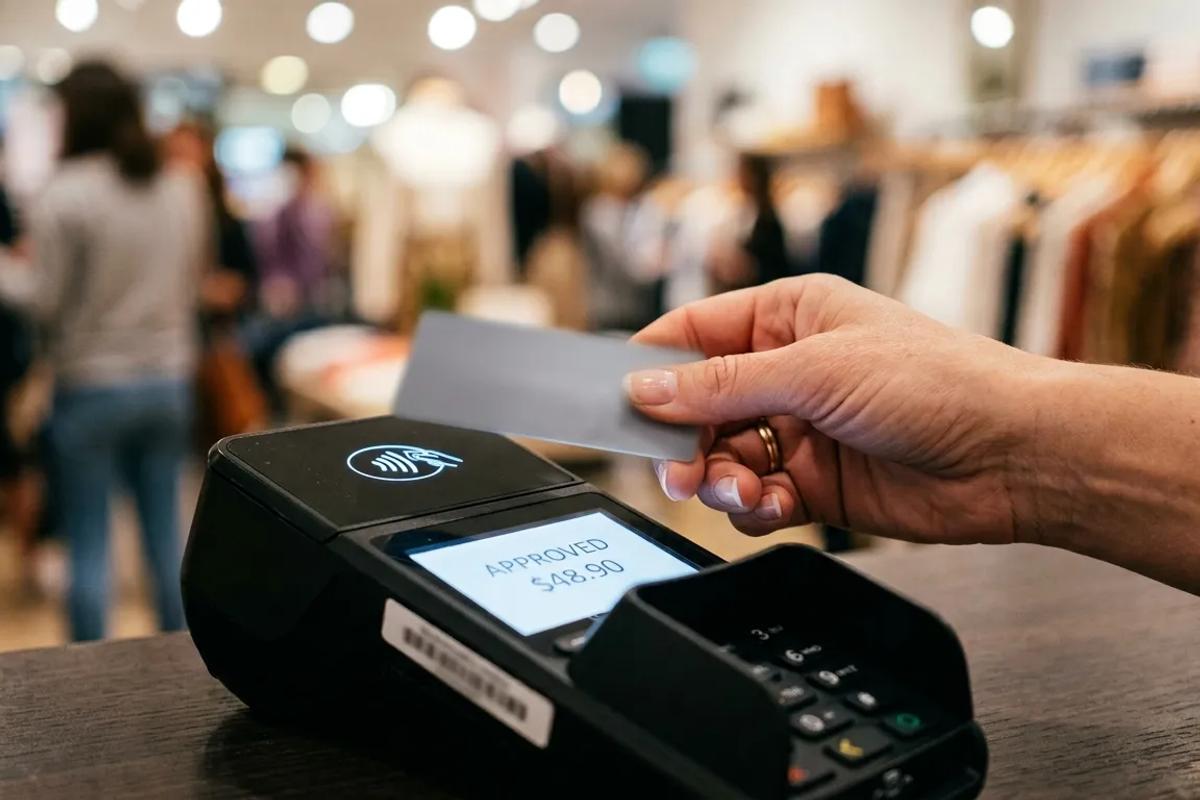

E&S Consulting delivers data-driven strategies to enhance your decision-making, minimize operational risk, and cultivate the partnerships necessary for long-term success.