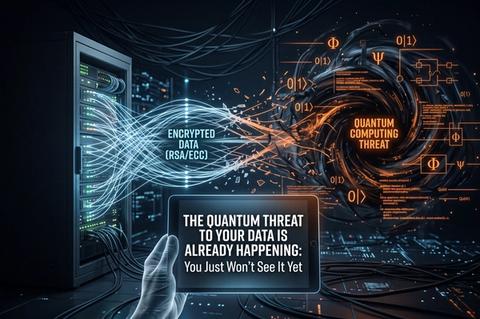
The Quantum Threat to Your Data Is Already Happening: You Just Won’t See It Yet
Here’s the uncomfortable part about quantum computing: an attacker doesn’t need a quantum computer today to put some of your data at risk.
Read more
I’ve spent the last three posts digging into the retail physical gift card issue: physical packaging cannot win an arms race against organized crime syndicates, and any security fix we attempt has to clear the register in the exact same heartbeat as a standard credit card tap. That leaves us with one question: What does a fast, secure, and compliant gift card actually look like in the real world? The answer really seems quite simple: remove sensitive payment credentials from the physical card.
The Real Problem with the Current Design
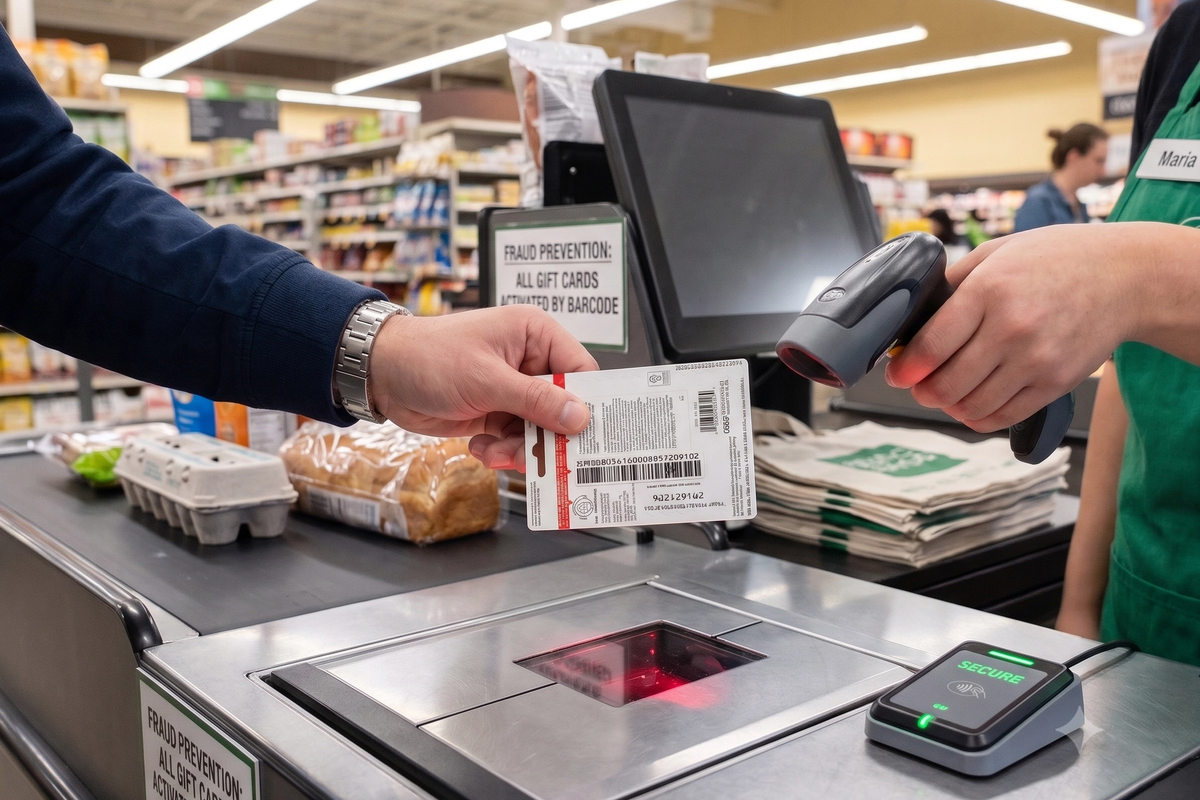
Every traditional gift card on a store shelf today carries its data right on its surface—whether that’s a 16-digit number, a barcode, or a PIN hidden under a scratch-off layer. That design choice is the single biggest vulnerability in the entire ecosystem.
It doesn't matter if a criminal is physically tampering with packaging, swapping barcodes, or using a bot network to hammer an activation API the second a real customer checks out. They are all attacking the exact same target: static, printed data sitting exposed on an open rack. As long as the financial credentials live on the plastic itself, time has shown us that plastic is going to be targeted.
If There’s Nothing to Copy, There’s Nothing to Steal
Numberless cards strip away the PAN, the security code, and the expiration date from the physical card body. If a thief tears open the packaging, they find blank plastic. There are no exposed payment credentials to record or clone. Even if a PIN remains protected under a scratch-off layer, it has no value on its own because the underlying payment credentials are no longer sitting exposed on the card.
To put the scale of this problem in perspective, federal investigations have already tied hundreds of millions, potentially billions, of dollars in losses to organized retail crime rings built entirely around harvesting this printed card data.
The FTC reports more than $200 million in annual consumer-reported gift card losses. Industry experts widely recognize that this figure represents only a fraction of the true economic impact, as it excludes unreported fraud, retailer and issuer losses, and the operational costs associated with investigating and resolving compromised cards.
So, if we remove the data from the card, we instantly break their business model.
Moving the Security Key Off the Open Shelf
Just as importantly, security isn't only about hiding payment credentials—it's about authenticating the card itself. A modern numberless architecture can confirm that the physical card being presented is the legitimate card and that it has been properly purchased and activated before it can be used. That means retailers are no longer relying solely on packaging to signal whether a card has been compromised.
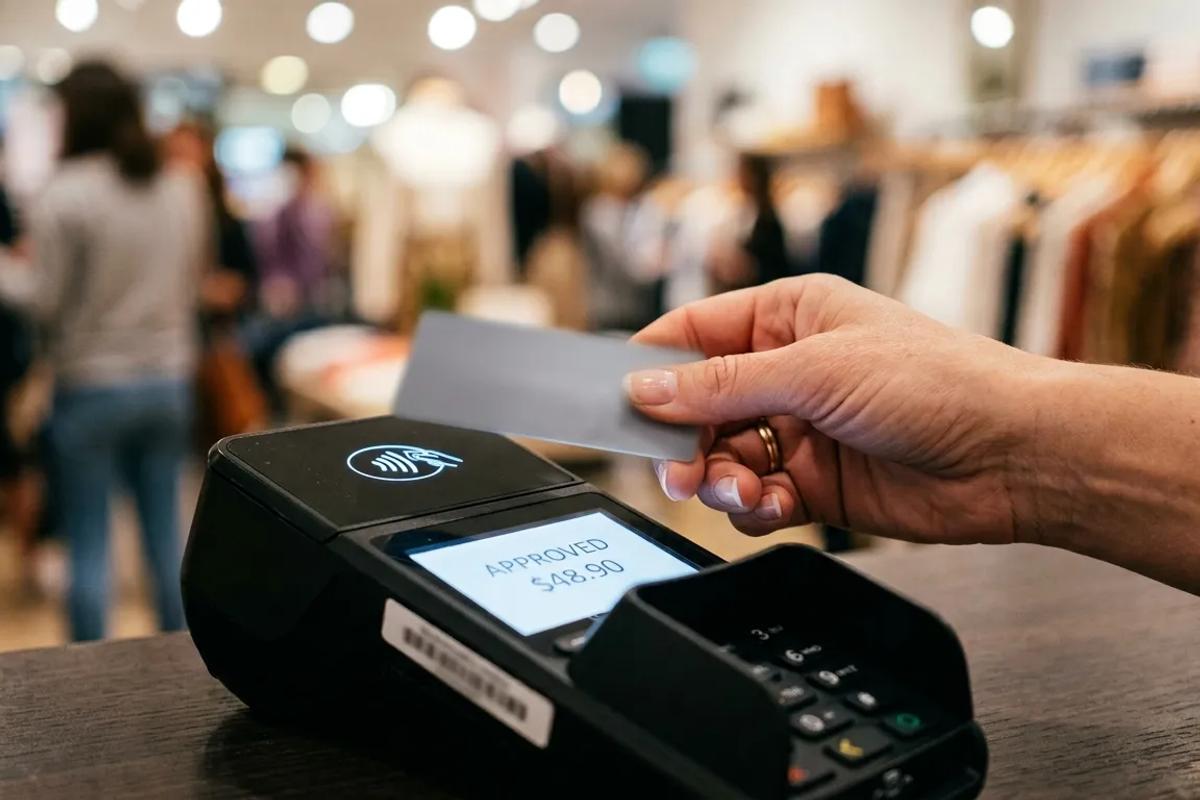
Instead of printing the card number on the plastic, we embed an NFC chip holding a unique, encrypted identifier. After purchase at the POS, the customer simply taps the card to their mobile phone to pair it. The actual account data, balance, and CVV live safely behind biometric authentication in the cloud, completely away from the display rack.
With no packaging inspection, we win back our lane speed. Card approval takes one to two seconds, using the exact same barcode scan already used daily at checkouts. Security and checkout speed finally stop fighting each other.
Solving the Compliance Headache by Accident
I mentioned in my first blog, the absolute nightmare of navigating a patchwork of state-level packaging, signage, and point-of-sale regulations. Going numberless completely sidesteps that mess. If there is no sensitive data printed or exposed on the shelf to begin with, there is very little left for state anti-tampering laws to regulate. Retailers can stop chasing fifty different state mandates because they’ll meetall of them by default.
This Ready-to-Go Technology
This isn't a future-tech fantasy. Tap-to-pay prepaid cards are already active in the market, and contactless volume in the U.S. has skyrocketed roughly fivefold since 2020. The terminals retailers need to accept these cards are already sitting at the registers. Running numberless gift cards over that existing infrastructure isn't technical black magic or a long stretch; it’s just a strategic choice.
Where This Leaves Us
Twenty years ago, I helped put network-branded gift cards into grocery and big-box aisles. I've watched our industry spend years redesigning blister packs, adhesives, scratch-offs, and warning labels. Every change bought a little time, but none changed the underlying problem: the value was still sitting on the shelf waiting to be stolen. I certainly have zero interest in watching this entire retail category get locked away behind a customer service counter just because the industry couldn't out-innovate a basic barcode sticker.
Numberless, NFC-enabled cards are the first practical approach that protects the customer, secures the brand, and keeps the checkout line moving without losing a single second.
More insights on payments, fintech, and strategic consulting
Here’s the uncomfortable part about quantum computing: an attacker doesn’t need a quantum computer today to put some of your data at risk.
Read more
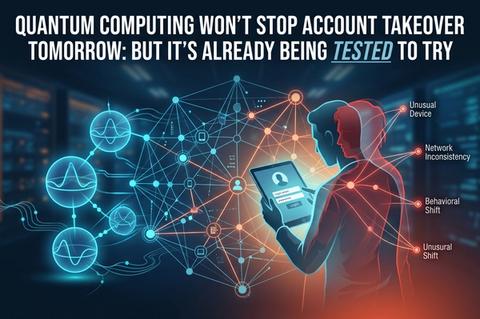
Fraudsters don’t necessarily need to guess a password. They can use credentials that already work. A system built primarily to flag the wrong password has very little to flag when the password is correct.
Read more

On August 5, MoneyPass stopped being part of Fiserv and became an independent company. That is a pretty significant change for a network with more than 37,000 surcharge-free ATMs and 160 million cardholders.
Read more
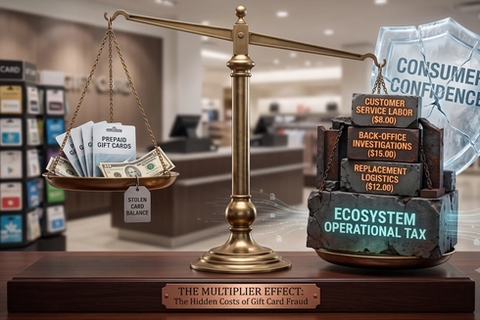
The conversation around retail-acquired card fraud often focuses on the consumer who loses money or the retailer dealing with a frustrated customer. But the financial impact reaches much farther across the ecosystem.
Read more

E&S Consulting delivers data-driven strategies to enhance your decision-making, minimize operational risk, and cultivate the partnerships necessary for long-term success.