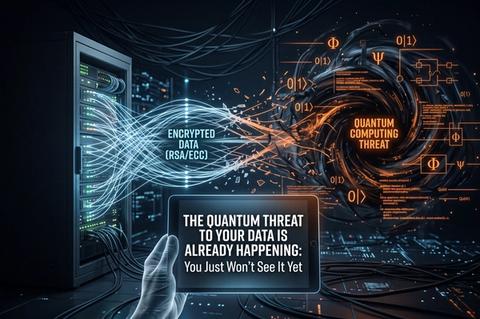
The Quantum Threat to Your Data Is Already Happening: You Just Won’t See It Yet
Here’s the uncomfortable part about quantum computing: an attacker doesn’t need a quantum computer today to put some of your data at risk.
Read more
We’ve already established in our first two posts that physical packaging changes alone aren’t enough to stop organized crime rings. But whatever solution we put on the table has to survive a brutal reality check: retail throughput. If a security fix kills lane speed, it's D.O.A.
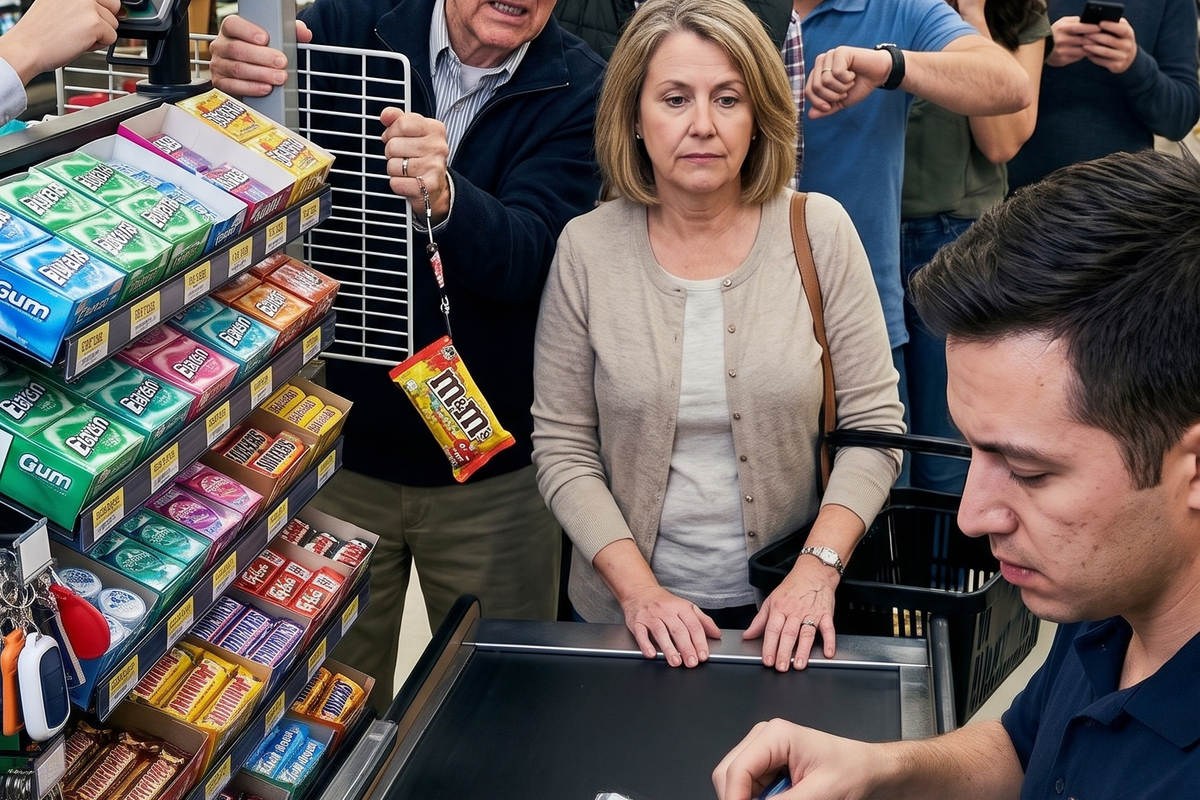
Every retailer I’ve ever worked with treats the checkout lane like sacred ground. And for good revenue reason: if you add just a single second of friction to a transaction, you aren't just slowing down one sale. You’re actively threatening the people waiting in line and we know what that ugly scene can look like.
That’s the massive operational tension that must be solved now when speaking of securing gift cards.
We’ve already established in our first two posts that physical packaging changes alone aren’t enough to stop organized crime rings from hitting activation APIs with automated bots. But whatever solution we put on the table has to survive a brutal reality check: retail throughput. If a security fix kills lane speed, it's D.O.A.
Why Digital Friction Hurts Worse in the Real World
In e-commerce, a slow checkout page means someone quietly abandons their cart. It’s no bueno, but it happens in private.
In a physical store, delay is entirely public. It’s the customer staring down the cashier, the line awkwardly backing up into the impulse-buy racks, and an employee apologizing for a system slowdown they didn't cause. We already know from industry data that70% of potential digital shoppers abandon their carts before completing a purchase and 17% of that is due to a clunky online checkout.
Now imagine that exact same frustration playing out in real life, with six impatient people trapped in a queue. The aisle simply does not forgive a delay.
Look at What Consumers Actually Do
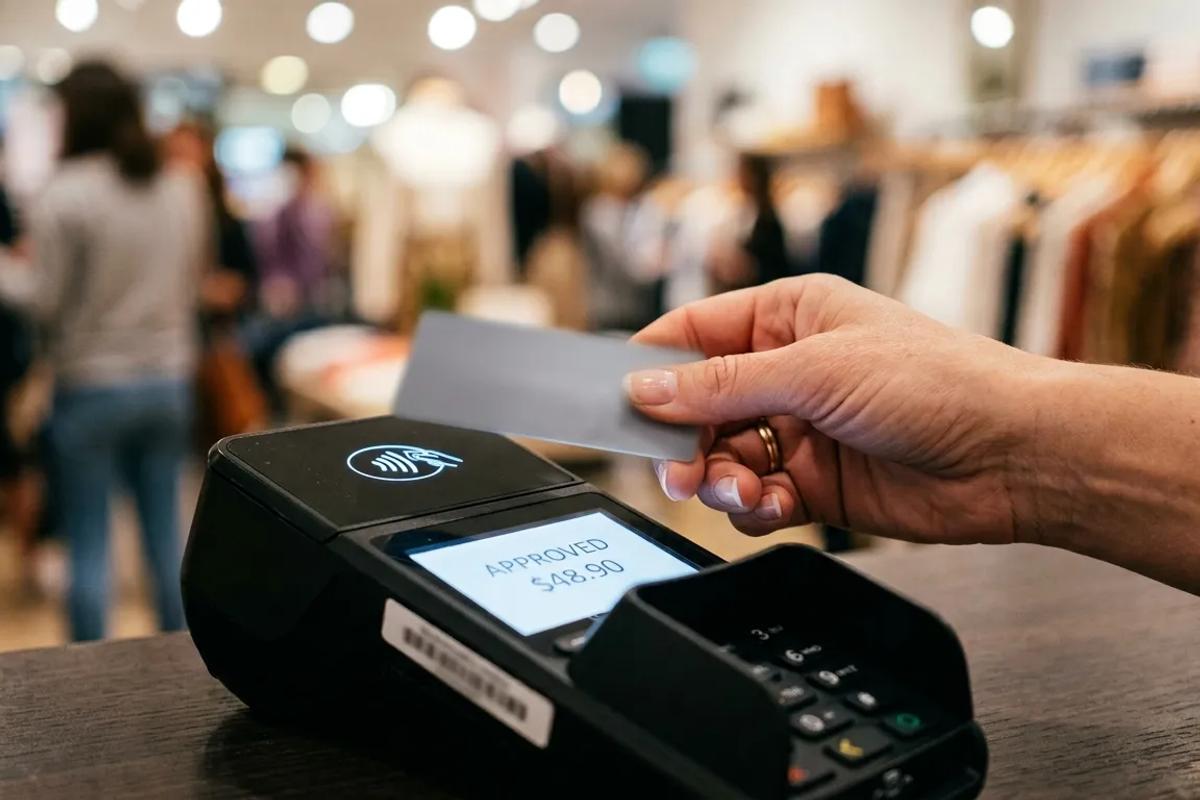
We already know shoppers will choose speed over almost anything else at the register. Just look at the explosion of tap-to-pay. A contactless transaction wraps up in 1 to 2 seconds, while standard chip-and-insert methods can easily drag on for 10 to 30 seconds. That massive gap is why everyone switched to tapping, customers love the speed, and I am sure cashiers love watching their lines actually move.
This matters immensely for gift cards. A gift card should be an item you scan and toss in a bag and go, just like your other items. Today, some anti-tampering approaches require cashiers to inspect packaging, remove protective tabs, apply stickers, or follow special activation procedures. None of these steps seems significant in isolation, but multiplied across hundreds of transactions a day, they become exactly the kind of friction retailers work so hard to eliminate.
Instant Means Instant
Looking ahead, this is the absolute baseline for any gift card security fix: can it validate a card in the exact same motion it takes a customer to tap and go and be out the door with their milk?
In the age ofnow! = Not "pretty fast." Not "close to instant." Instant.
The second a security measure asks a cashier to act like a forensic investigator, or makes a customer wait an extra five seconds, it has failed, no matter how great it looks on a spreadsheet.
People often frame this as a strict trade-off: security versus speed. I think that's a false choice.
The technology already exists to authenticate a payment credential in under two seconds without making anyone jump through hoops.
The real question isn't whether we can secure the gift card rack, it's whether we're willing to hold fraud prevention to the exact same high standard we already demand from a basic credit card tap.
Next: We’re going to look at what it actually takes to hit that bar, specifically, why removing printed numbers entirely and shifting authentication to NFC is the only real way to protect the card without killing lane speed.
If you've had to balance fraud losses against front-end checkout speeds in your own stores, I'd love to hear how your team handles that balance. Drop your thoughts below.
More insights on payments, fintech, and strategic consulting
Here’s the uncomfortable part about quantum computing: an attacker doesn’t need a quantum computer today to put some of your data at risk.
Read more
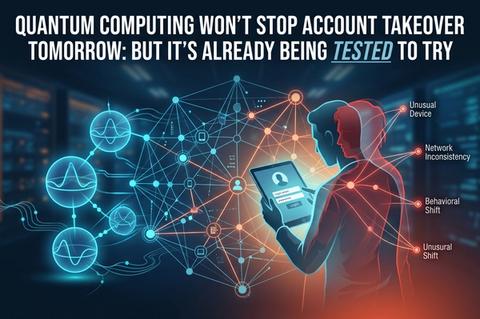
Fraudsters don’t necessarily need to guess a password. They can use credentials that already work. A system built primarily to flag the wrong password has very little to flag when the password is correct.
Read more

On August 5, MoneyPass stopped being part of Fiserv and became an independent company. That is a pretty significant change for a network with more than 37,000 surcharge-free ATMs and 160 million cardholders.
Read more
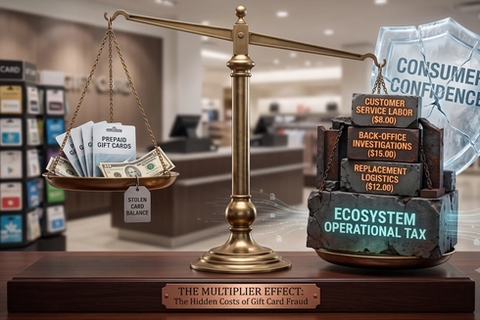
The conversation around retail-acquired card fraud often focuses on the consumer who loses money or the retailer dealing with a frustrated customer. But the financial impact reaches much farther across the ecosystem.
Read more

E&S Consulting delivers data-driven strategies to enhance your decision-making, minimize operational risk, and cultivate the partnerships necessary for long-term success.