
The Quantum Threat to Your Data Is Already Happening: You Just Won’t See It Yet
Here’s the uncomfortable part about quantum computing: an attacker doesn’t need a quantum computer today to put some of your data at risk.
Read more
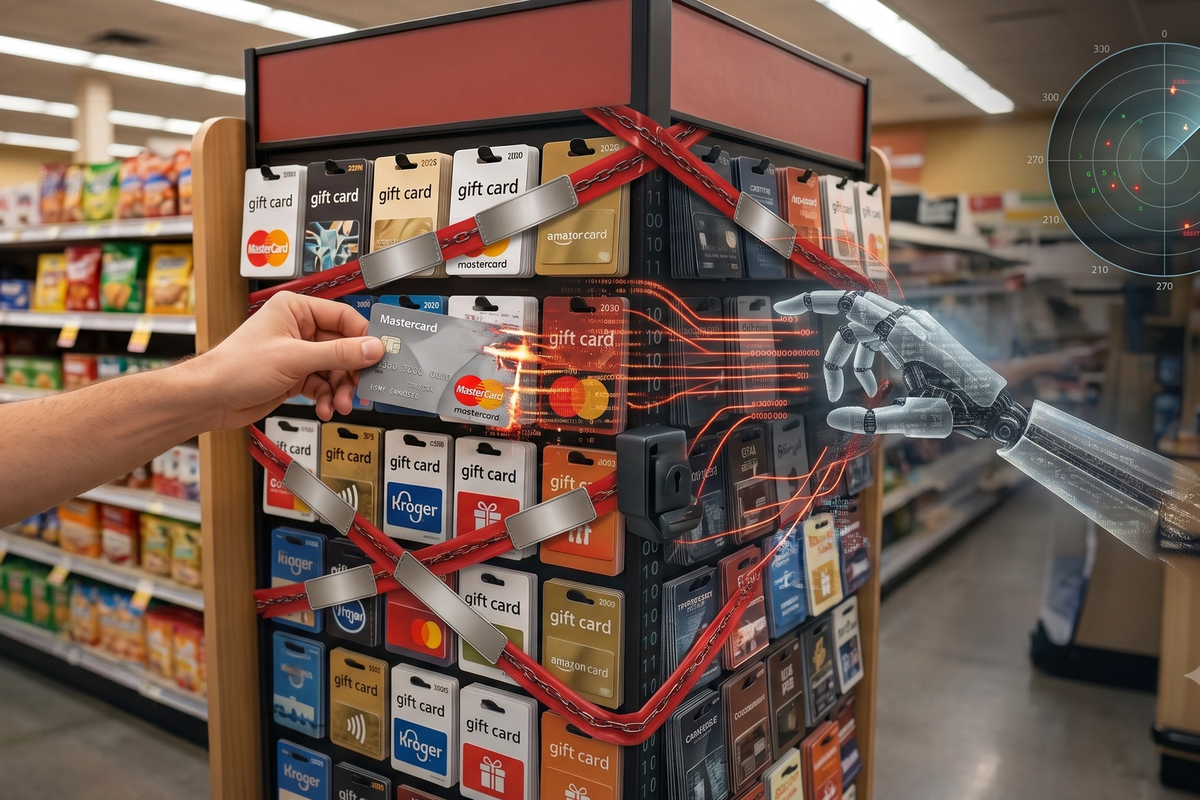
Between Project Red Hook, state compliance laws, and organized draining rings, five competing forces are deciding whether the gift card mall survives the decade.
In 2004, I led the team that launched the first Mastercard gift card mall product with Kroger, Kroger Personal Finance, RBS Citizens, N.A. and Blackhawk.
At the time, the idea of a branded gift card was a crazy idea. Add on top of that it was sold at a grocery was completely insane. Today, we call it revolutionary but back then, these products didn't exist in the consumer’s mind, let alone their shopping carts. We were taking something that had traditionally been a high-friction, behind-the-counter banking product and throwing it right into the path of the shopper.
The results? They sold like hotcakes.
By making a network-branded card available to everyone in the checkout aisle, we didn't just launch a product; we created a multi-billion-dollar retail category.
But sitting here in 2026, I’m watching the "mall" I helped build come under heavy fire.
Between the professional "draining" rings currently being hunted by Project Red Hook and a sudden wave of state compliance laws, the pressure to pull cards back "behind the glass" is reaching a fever pitch. We are at a breaking point where five competing forces are about to decide if the Gift Card Mall survives the decade.
We aren't dealing with a single federal mandate here. Instead, we’re facing a "compliance quilt" of varying state laws that make national retail almost impossible to manage. Maryland wants one type of packaging; New York demands different signage; California has its own set of POS requirements. For a national retailer, trying to comply with fifty different sets of rules across one unified supply chain is a logistical nightmare. As of May 2026, the burden of "staying legal" is becoming as heavy as the burden of the fraud itself.
This is where the real tension lies. Some state regulators think the only way to solve the "drain" is to move cards back behind the counter or into locked cases. Why would we want to take away this accessibility? The goal in '04 was to create a flexible way to gift; we can't let 2026 be the year we kill the category.
In a high-volume store, throughput is the only metric that matters. If a security measure adds even 15 seconds to a transaction—or asks a cashier to play forensic detective—the lane dynamics collapse. We need frictionless security: technology that validates a card in the same heartbeat it takes to scan a gallon of milk.
For years, we’ve tried to stay one step ahead of the scammers with secure packaging—zigzag cuts, tamper-evident seals, and fiber-reinforced tabs. The hard truth in 2026 is that none of it has worked.
Project Red Hook has shown us that we aren't fighting amateurs; we’re fighting organized syndicates using "Taker" bots to drain cards seconds after they’re activated. Criminals have become so sophisticated at re-sealing cards that physical packaging alone is no longer a deterrent. We have reached a point where no minor change to the card or the box is going to make a difference. The defense has to be just as fast as the bots. To save the category, we need a fundamental, innovative shift in how these products are built and activated.
A "drained" card is a broken promise. When a gift fails at the register, the customer doesn't go home and curse an anonymous hacker—they lose trust in the store where they bought it. Protecting the stack isn’t just a Loss Prevention move; it’s brand preservation.
We can't afford to sacrifice impulse revenue for security, and we definitely can't sacrifice lane speed for compliance. The challenge for 2026 is finding the "Middle Path"—securing the cards while they stay exactly where we put them twenty years ago: in the hands of the customer.
Coming up next: I’m going to move from the "why" to the "how." In Blog 2: Secure the Stack, I’ll break down the tactical trends—like the rise of Numberless cards—that actually let us keep inventory on the floor without the risk.
More insights on payments, fintech, and strategic consulting
Here’s the uncomfortable part about quantum computing: an attacker doesn’t need a quantum computer today to put some of your data at risk.
Read more
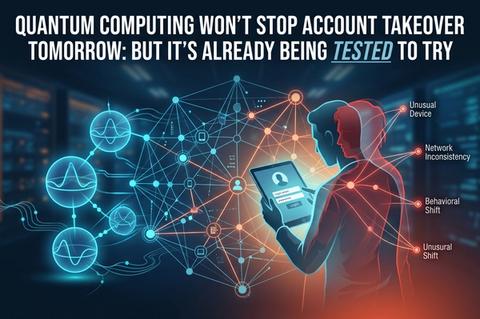
Fraudsters don’t necessarily need to guess a password. They can use credentials that already work. A system built primarily to flag the wrong password has very little to flag when the password is correct.
Read more

On August 5, MoneyPass stopped being part of Fiserv and became an independent company. That is a pretty significant change for a network with more than 37,000 surcharge-free ATMs and 160 million cardholders.
Read more

The conversation around retail-acquired card fraud often focuses on the consumer who loses money or the retailer dealing with a frustrated customer. But the financial impact reaches much farther across the ecosystem.
Read more

E&S Consulting delivers data-driven strategies to enhance your decision-making, minimize operational risk, and cultivate the partnerships necessary for long-term success.